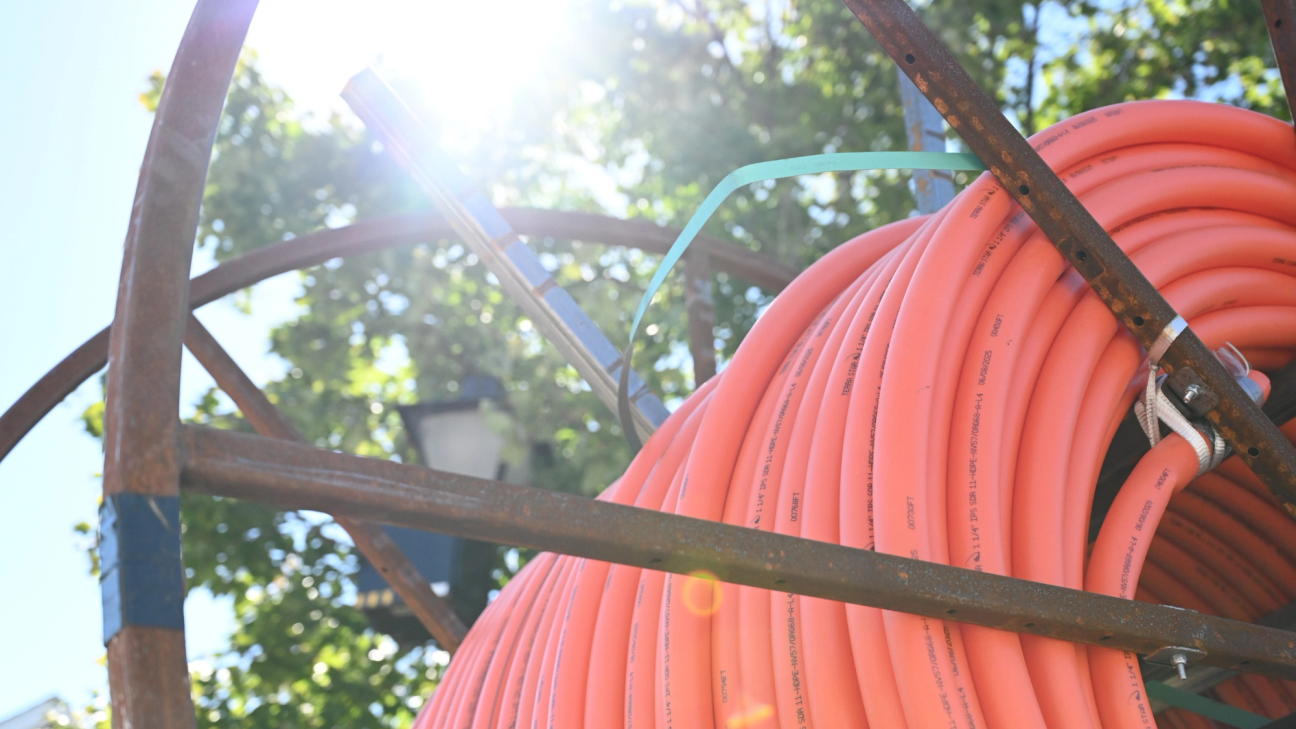
Why Is Fiber-Optic Cable Installed Inside Conduit?
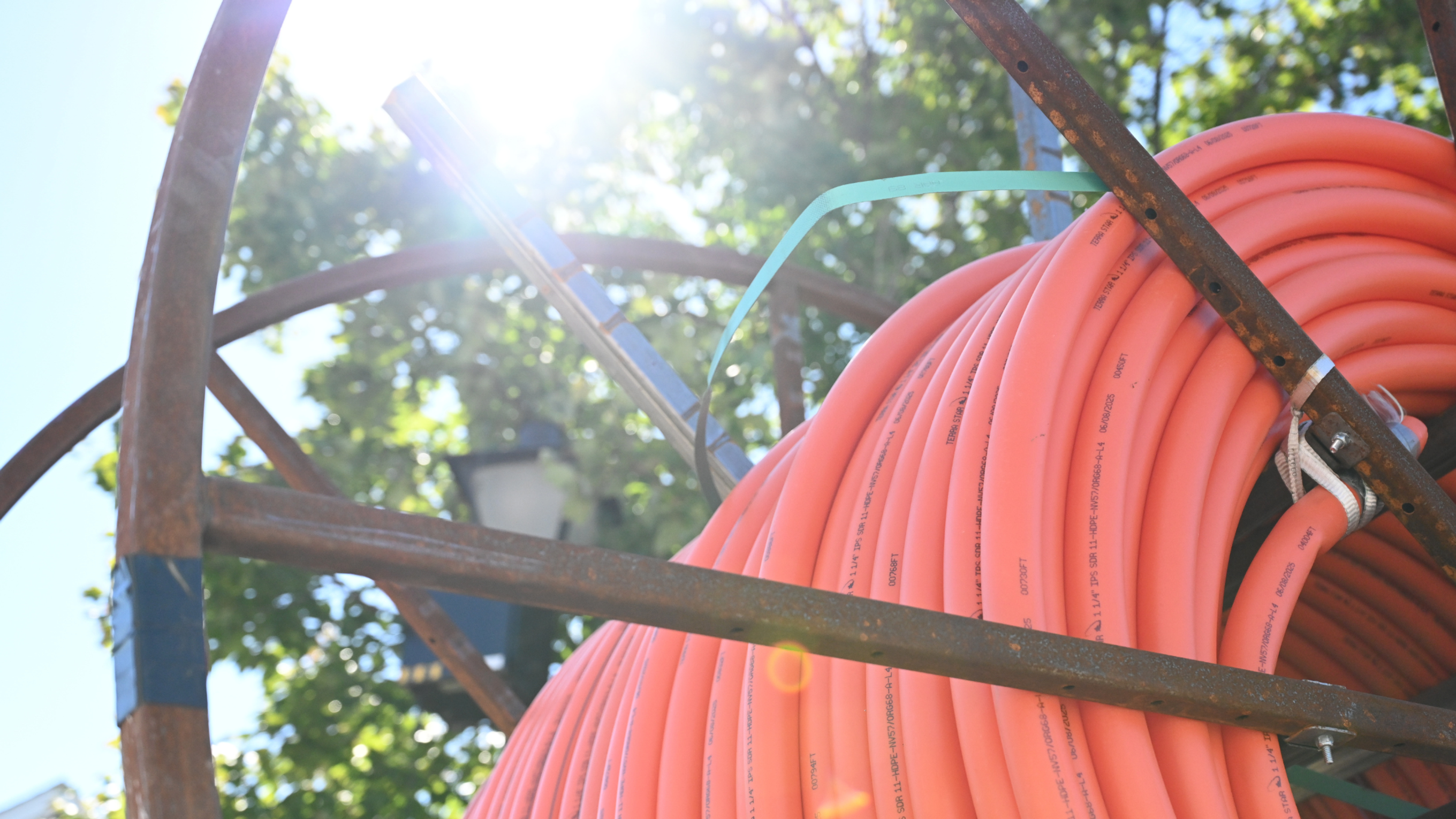
When people see broadband construction underway, one of the most visible materials is often not the fiber-optic cable itself. It is the conduit, the pipe or pathway placed underground before the cable is installed.
Summary
When people see broadband construction underway, one of the most visible materials is often not the fiber-optic cable itself. It is the conduit, the pipe or pathway placed underground before the cable is installed.
That can lead to a reasonable question: If fiber is the part that carries data, why is conduit necessary?
In many underground fiber projects, conduit creates a defined pathway that helps protect the cable and supports its installation, maintenance, and potential replacement. It is not used in every situation, and it does not make the network immune to damage. However, when the project design calls for it, conduit becomes an important part of the underground broadband system.
Conduit Creates a Protected Pathway for Fiber
Fiber-optic cable contains strands of glass that transmit information using light. The finished cable includes protective layers around those strands, but its performance still depends on being installed and handled correctly.
Conduit provides separation between the cable and the surrounding soil. That pathway can help protect fiber from direct contact with rocks, changing soil conditions, and some of the forces associated with underground environments. It also gives crews a controlled route through which cable can be pulled, blown, or jetted, depending on the system and installation plan.
Protection does not mean damage is impossible. Excavation by another party, excessive pulling force, sharp bends, water intrusion at improperly completed points, or other field conditions may still affect a network. Conduit is one part of a larger system that also depends on sound design, accurate installation, proper connections, and clear records.
Conduit, Innerduct, and Direct-Buried Cable Are Not the Same
These terms are sometimes used interchangeably in public conversations, but they describe different parts of an underground fiber system.
Conduit is a protective pathway installed underground. Depending on the design, one conduit may hold a fiber cable, multiple cables, or smaller pathways.
Innerduct is a smaller pathway used to separate or organize cables. It may be placed inside a larger conduit, allowing the available space to be divided into dedicated routes. Some systems also use small individual ducts or microducts as part of a bundled pathway.
Direct-buried cable is designed to be placed in the ground without a continuous conduit surrounding it. A direct-buried route may still use conduit or sleeves at selected locations, such as crossings, entrances, or areas where added protection is needed.
None of these approaches is automatically right for every project. The appropriate system depends on the network owner’s requirements, the design, the route, expected future needs, and field conditions.
Conduit May Make Future Work More Practical
One of conduit’s potential advantages is that it can preserve a usable pathway after the initial installation. If the route remains clear and has adequate capacity, crews may be able to replace a cable or install additional cable without reopening the entire alignment.
That does not mean every conduit system can accept unlimited future fiber. Available space, conduit condition, bend radius, access points, cable size, route length, and other design factors still matter. Expansion is also easier when projects include deliberate capacity planning, such as spare conduit or innerduct intended for later use.
For infrastructure owners, those early decisions may reduce the amount of new excavation needed for some future network changes. For communities and property owners, using an existing pathway may also limit disruption compared with constructing an entirely new route. The actual benefit depends on how the system was designed, documented, and maintained.
Size, Quantity, Route, and Material Begin With Design
Crews do not simply choose a conduit in the field because it looks large enough. An underground fiber conduit installation should follow the project design and the network owner’s specifications.
Designers may need to account for:
- The number, size, and type of cables planned for the route
- The method that will be used to place the cable
- Allowable conduit fill and cable bend requirements
- Pull distances, access points, and changes in direction
- Current network needs and planned capacity
- Owner standards and applicable project requirements
The number of conduits also carries meaning. One project may need only the pathway required for the initial cable, while another may include separate ducts for organization, redundancy, or future growth. Installing more conduit than the design requires can add cost and complexity, while too little capacity can limit future options. The goal is not simply “more”; it is the right system for the intended network.
Field Conditions Shape the Installation
A line on a plan must eventually become a workable route in the field. Soil, rock, drainage, elevation changes, roadways, driveways, waterways, and existing utilities can all influence how conduit is installed.
Open trenching may be appropriate in some locations. In others, horizontal directional drilling may be used to create a path beneath a surface feature while limiting open excavation along that portion of the route. The construction method depends on the approved design, available workspace, ground conditions, crossing requirements, and nearby infrastructure.
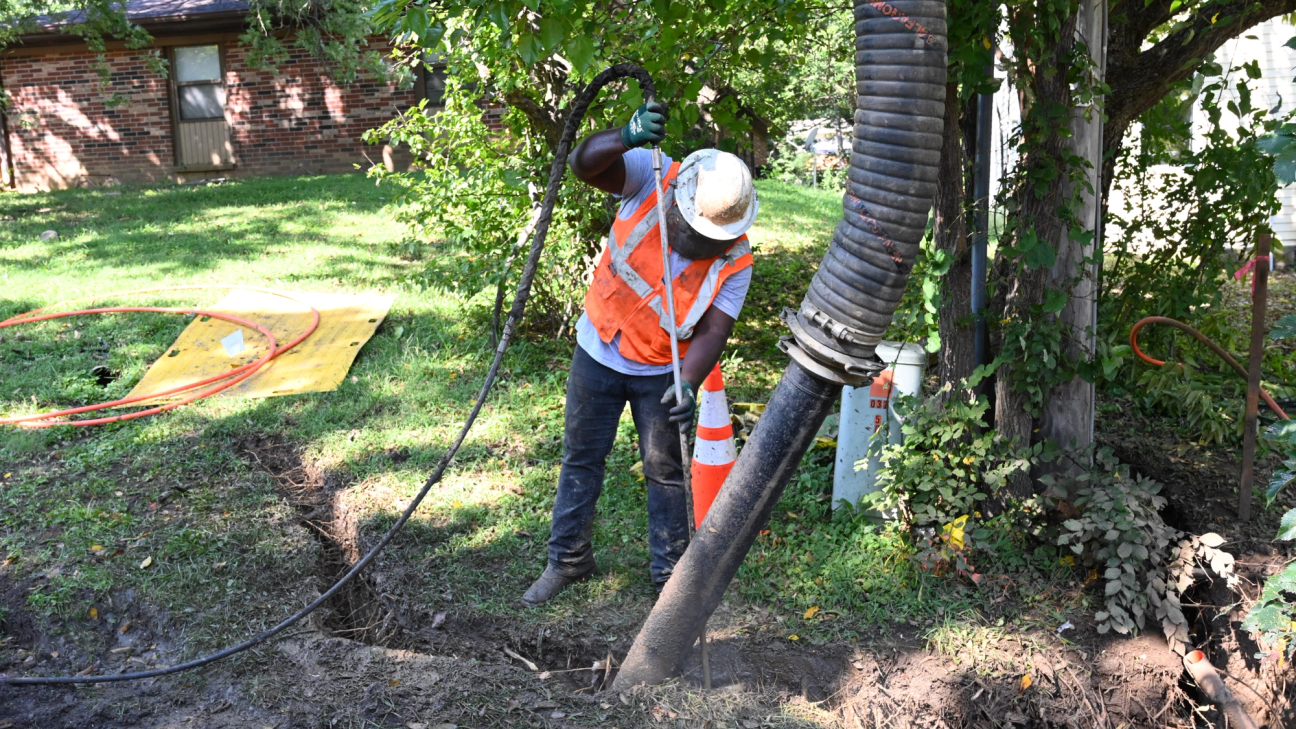
Existing utilities are especially important. Utility markings provide essential information, but crews may also need to confirm the position of facilities at critical points before construction proceeds. Depending on the project and conditions, that work can include potholing or vacuum excavation. The purpose is not to assume where an existing line should be, but to gather the field information needed to perform the work responsibly.
Routes can also require adjustments when actual conditions differ from available records or plans. Clear communication among the owner, designer, inspectors, locating personnel, and construction team helps those decisions move through the proper process.
The Pathway Is Part of the Network
Fiber receives most of the attention because it carries the data, but the pathway around it affects how the network is built and how practical future work may be.
Conduit can protect and organize fiber, support appropriate cable-placement methods, and preserve options for maintenance or expansion. Its value, however, depends on more than putting pipe in the ground. The conduit must be correctly sized, routed, installed, accessed, documented, and coordinated with the rest of the project.
For network owners, that makes conduit planning an infrastructure decision, not merely a material choice. For residents watching construction in their community, it explains why crews may install conduit first and return later to place the fiber. Each phase is part of building the complete underground system.
Sellenriek Construction approaches broadband construction with an emphasis on quality, clear communication, safety, and long-term reliability.
Can fiber-optic cable be installed without conduit?
Yes. Direct-buried fiber cable is designed for underground placement without a continuous conduit. A project may still use sleeves or conduit at crossings and other selected locations. Whether cable is placed in conduit or direct-buried depends on the owner’s specifications, system design, route, and field conditions.
Can new fiber always be added to an existing conduit?
No. The conduit must have adequate usable space and a suitable, continuous route. Its condition, access points, bends, length, and the size of existing and proposed cables all affect whether another cable can be installed.
Why would a project install more than one conduit?
Multiple conduits may be included to separate cables, provide capacity for planned expansion, meet owner requirements, or support the network design. The appropriate quantity should be established during design rather than assumed in the field.
How is fiber conduit installed beneath a road or driveway?
Depending on the design and site conditions, crews may use a trenchless method such as horizontal directional drilling to create a path beneath the surface. Entry and exit areas are still needed, and the route must be coordinated with existing utilities and crossing requirements.
Why do crews sometimes install conduit before the fiber arrives?
Conduit installation and cable placement are separate phases that may require different crews, equipment, scheduling, and inspections. Once the pathway is ready and accepted for the next phase, the fiber can be installed through it.
Does installing conduit mean an area will not need to be excavated again?
Not necessarily. A usable conduit may reduce the need to reopen the full route for some cable replacements or additions, but excavation may still be required at access points, damaged sections, route extensions, or locations where the existing pathway cannot support the planned work.