In the construction industry, safety is one of the most commonly used phrases in marketing. Nearly every contractor claims to put safety first. But on active utility and infrastructure jobsites, safety is more than a slogan on a website or a banner in a break room. It directly impacts how work is planned, communicated, executed, and evaluated every single day.
For companies working in broadband construction, underground utility work, and active infrastructure environments, safety affects far more than compliance requirements. It influences operational efficiency, project continuity, client confidence, crew accountability, and long-term business relationships.
Why Safety Impacts More Than Compliance
In utility and infrastructure construction, safety is often viewed through the lens of regulations, certifications, and compliance checklists. While those elements matter, a true infrastructure safety culture extends much further.
Protecting People
The most important part of any safety program is protecting the people performing the work. Active utility environments involve constant exposure to moving equipment, underground infrastructure, traffic, changing site conditions, and unpredictable environmental factors. Reducing risk requires crews to remain aware, coordinated, and disciplined throughout every phase of a project.
Safety-first execution helps ensure that employees, subcontractors, inspectors, clients, and the public all remain protected while work is underway.
Project Continuity
Safety issues can quickly become project issues.
In utility construction, even a minor incident can create delays, trigger investigations, impact schedules, disrupt coordination between teams, or force work stoppages. In larger broadband and infrastructure projects, these interruptions can affect multiple stakeholders simultaneously.
Strong contractor safety standards help reduce avoidable disruptions and keep projects moving forward consistently.
Client Trust
For many infrastructure owners, safety performance is one of the clearest indicators of operational reliability. Clients are not simply evaluating whether a contractor can complete work. They are evaluating whether that contractor can execute work responsibly, professionally, and consistently over the long term.
This is especially important in relationship-driven industries like broadband construction and utility infrastructure, where long-term partnerships often matter more than one-time projects.
Operational Stability
Companies with strong safety cultures tend to operate with stronger internal communication, clearer expectations, better field coordination, and more disciplined processes overall. Safety is often one of the clearest reflections of how organized and accountable a company is operationally.
Safety in Active Utility Environments
Utility and infrastructure jobsites create a very different risk environment than many traditional construction projects. Broadband construction safety and excavation safety require crews to operate around existing infrastructure systems while maintainingproduction schedules and minimizing disruption.
Existing Infrastructure Risks
Underground utility environments often contain existing fiber lines, gas lines, electric infrastructure, water systems, sewer systems, and communication networks. Even with utility locates and planning, crews must work carefully around systems that are critical to communities, businesses, and public operations.
In these environments, precision matters just as much as production.
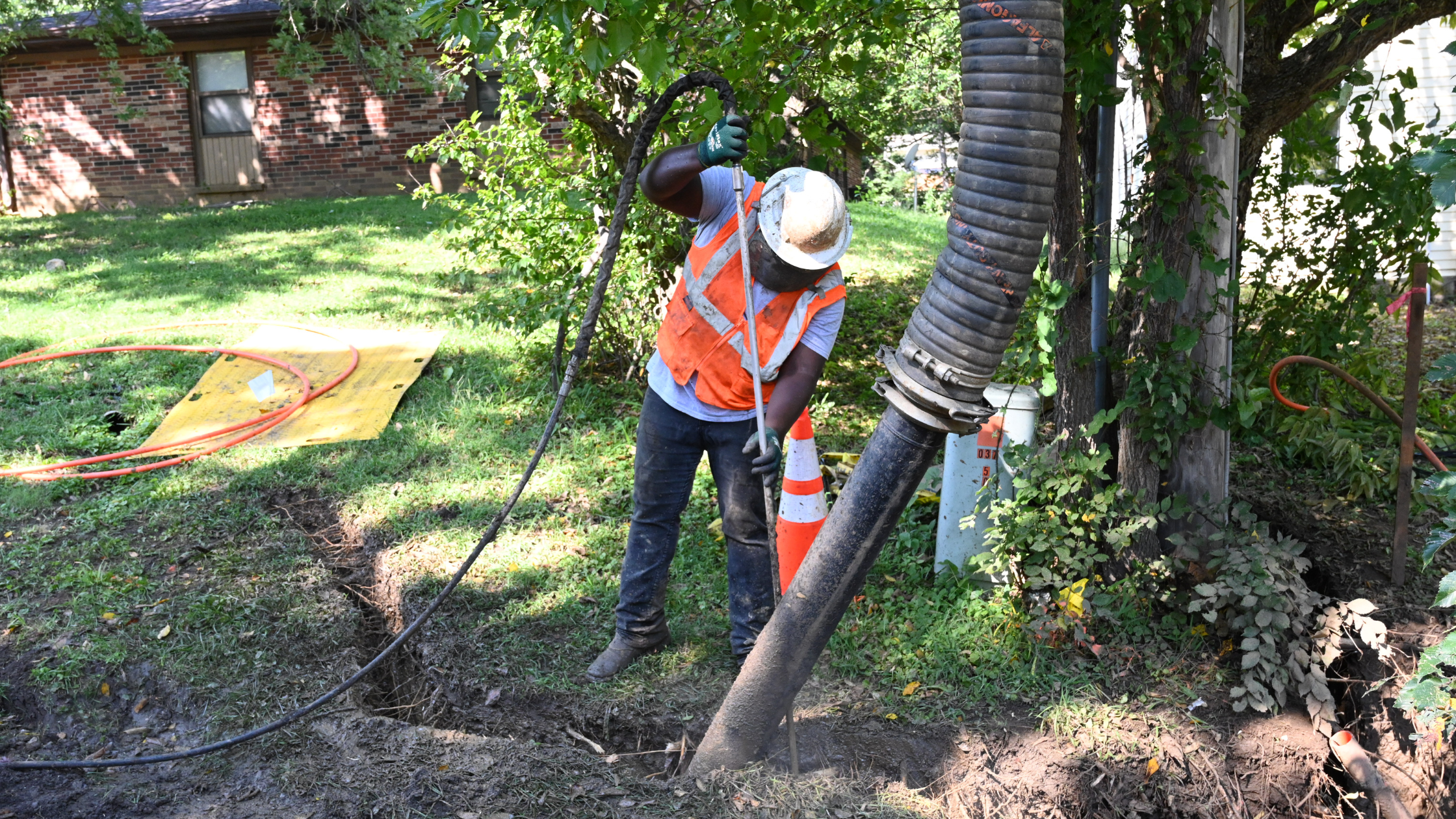
Hydro excavation and vac services are one example of how safer excavation methods can help reduce unnecessary risk when exposing underground infrastructure before construction or maintenance activities begin.
Public Exposure
Unlike isolated construction environments, many infrastructure projects take place in highly visible public areas. Crews may work near neighborhoods, roads, intersections, businesses, schools, or active traffic corridors.
This creates additional responsibility around traffic management, public awareness, site organization, and maintaining a professional jobsite presence.
Traffic Considerations
Work zones often involve moving vehicles, equipment transportation, utility access points, and changing traffic patterns. Maintaining safe traffic flow while protecting workers requires coordination between crews, project leadership, municipalities, and sometimes multiple contractors simultaneously.
Crew Coordination
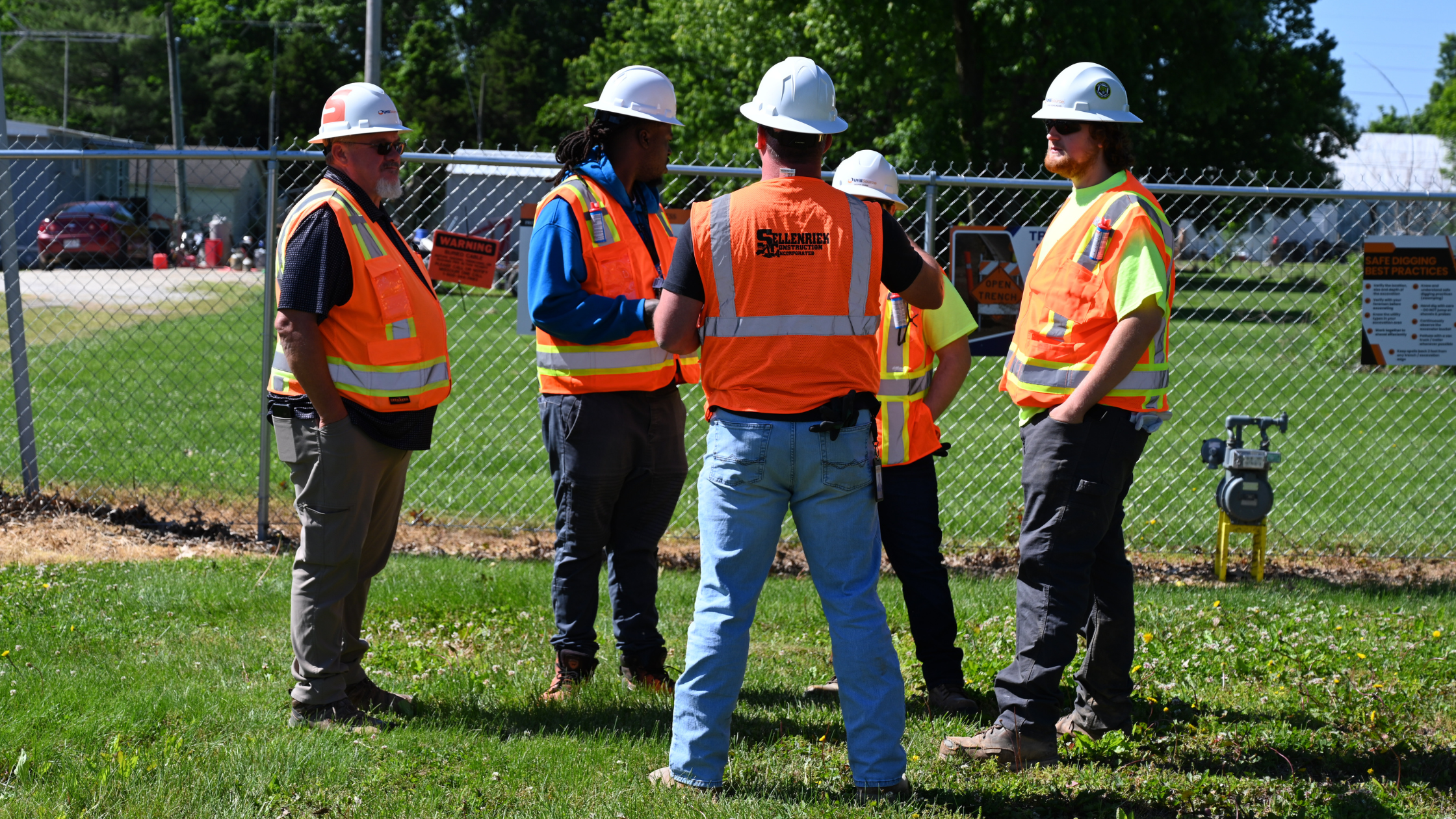
Infrastructure work is highly collaborative. Utility construction crews frequently work alongside inspectors, engineers, subcontractors, utility owners, locators, municipal representatives, and other field teams.
Strong communication between office teams and field crews helps reduce confusion, improve coordination, and minimize avoidable risk on active jobsites.
Daily Safety Accountability
A safety-first culture is built through consistent daily execution, not occasional reminders.
Jobsite Checks
Daily jobsite evaluations help crews identify changing site conditions, potential hazards, equipment concerns, and operational risks before work begins. Active utility environments can change quickly, making ongoing evaluation critical throughout the day.
Crew Communication
Clear communication is one of the most important parts of utility construction safety. Crews need alignment on responsibilities, changing site conditions, active hazards, project updates, and operational expectations.
Field communication also helps ensure that office planning aligns with real-world site conditions, reducing confusion and rework.
Equipment Readiness
Well-maintained equipment contributes directly to both safety and efficiency. Equipment failures can create unnecessary risk, project delays, and unsafe working conditions, particularly in active infrastructure environments.
Maintaining equipment readiness helps support safer and more reliable project execution.
Hazard Awareness
Excavation safety requires crews to remain alert to changing environmental conditions, underground conflicts, weather impacts, traffic movement, and active infrastructure exposure.
Hazard awareness is not a one-time conversation at the start of a project. It must remain part of the daily operational mindset throughout the lifecycle of the work.
Safety and Quality Are Connected
Safety and quality are often discussed separately, but in infrastructure construction, they are closely connected.
Precision Execution
Careful, controlled work helps reduce unnecessary risk while improving project accuracy. Precision matters in utility construction because mistakes can impact existing infrastructure, surrounding property, schedules, and service continuity.
Reduced Rework
Projects completed correctly the first time generally involve fewer return trips, fewer corrective actions, and fewer avoidable exposures to additional risk.
Operational discipline supports both safer execution and higher-quality outcomes.
Better Documentation
Strong documentation processes improve accountability, communication, and project visibility. Accurate field documentation can also help reduce confusion between stakeholders and improve long-term project traceability.
Operational Discipline
Companies with mature safety cultures often demonstrate stronger operational discipline overall. Organized projects, coordinated crews, clear scopes, and proactive communication all contribute to safer and more efficient execution.
At Sellenriek Construction, we emphasize precision craftsmanship, transparent communication, reliability, and a safety-first approach to infrastructure development.
Building Long-Term Trust Through Safety
In infrastructure construction, reputation matters.
Why Clients Evaluate Safety Records
Clients evaluating contractors are often looking beyond production numbers alone. They want confidence that projects will be completed safely, professionally, and without unnecessary operational risk.
Strong safety performance can influence contractor selection, project opportunities, and long-term partnerships.
Reputation Impacts
Safety incidents can impact more than a single project. They can affect scheduling confidence, stakeholder trust, public perception, and future opportunities.
On the other hand, consistent safe execution helps reinforce professionalism, accountability, and reliability over time.
Repeat Business Value
Many utility and broadband construction relationships are built over years, not individual projects. Clients often prioritize contractors who communicate clearly, maintain operational consistency, and demonstrate disciplined execution standards across multiple projects.
A strong infrastructure safety culture helps support that long-term trust.
Conclusion
On active utility and broadband jobsites, safety cannot operate as a standalone initiative. It has to be embedded into planning, communication, coordination, equipment readiness, and daily execution.
A true safety-first culture is reflected in how crews operate, how projects are managed, how risks are addressed, and how consistently work is completed.
In infrastructure construction, safety is not separate from quality, accountability, or reliability. It is part of all of them.
Why is safety important in utility construction?
Utility construction involves active infrastructure, underground systems, heavy equipment, traffic exposure, and changing jobsite conditions. Strong safety practices help protect workers, reduce project disruptions, and minimize risk to existing infrastructure and the public.
What does a safety-first culture look like?
A safety-first culture goes beyond compliance requirements. It includes daily accountability, proactive communication, hazard awareness, equipment readiness, operational discipline, and leadership support throughout every phase of a project.
How do contractors reduce risk on jobsites?
Contractors reduce risk through planning, crew coordination, jobsite evaluations, equipment maintenance, traffic management, utility locating, hazard communication, and safer excavation methods such as hydro excavation when appropriate.
What PPE is required for utility crews?
PPE requirements vary by project and environment but often include hard hats, high-visibility clothing, gloves, eye protection, boots, and additional protective equipment based on site conditions and utility exposure.
What causes most utility jobsite accidents?
Common causes include communication breakdowns, inadequate planning, equipment incidents, utility strikes, traffic exposure, changing site conditions, and failure to identify hazards before work begins.
How does safety impact project timelines?
Strong safety processes help reduce delays caused by incidents, rework, damaged infrastructure, investigations, and operational disruptions. Safer projects are often more organized, coordinated, and efficient overall.