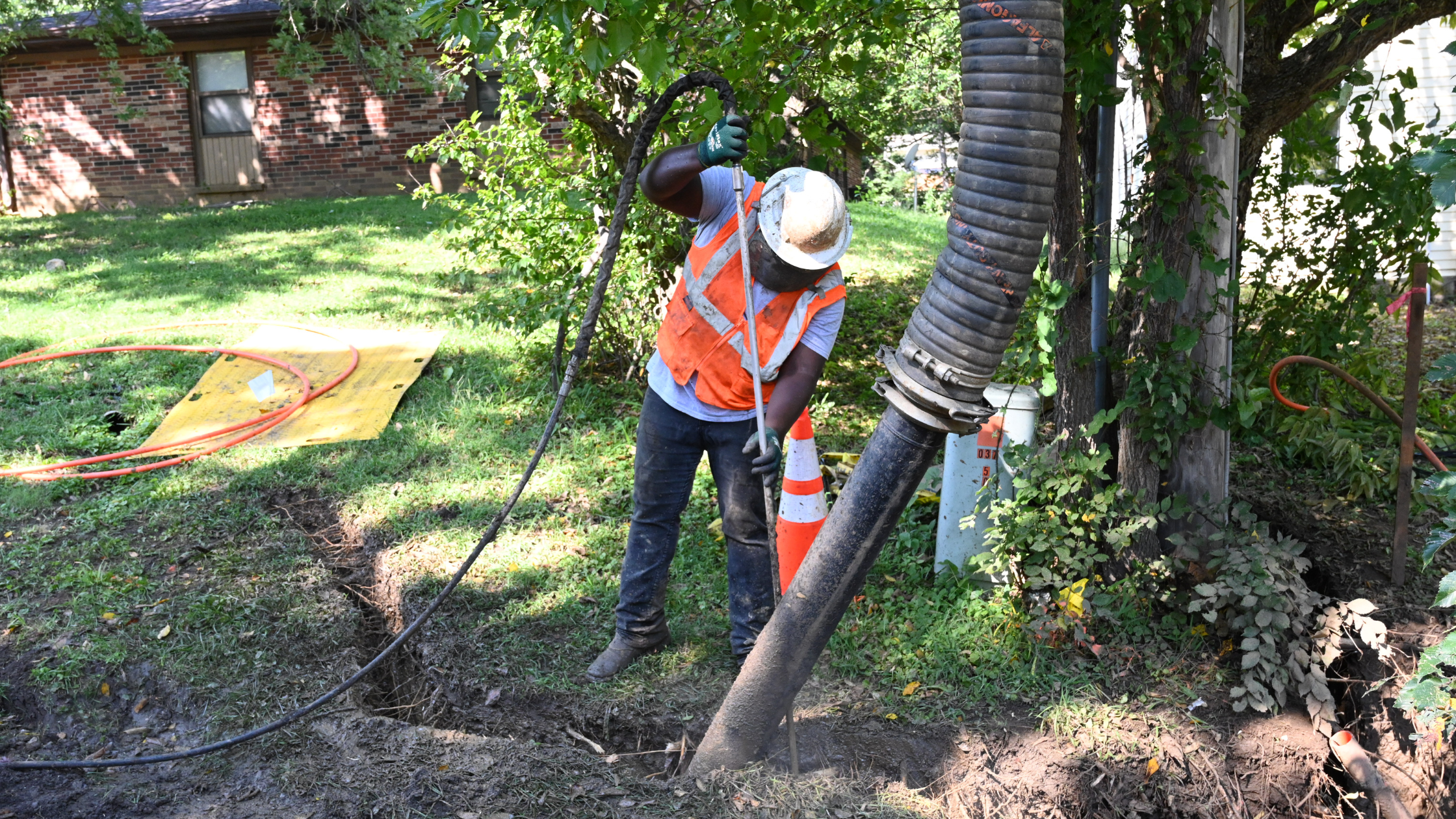
The arrival of construction equipment near a home or business can raise an immediate question: Why are crews digging here?
The work may appear to be taking place in someone’s front yard, beside a driveway, or near the entrance to a business. In many cases, however, fiber-construction crews are working within an established utility easement or public right-of-way. These designated areas give utilities and their contractors access to locations where infrastructure can be installed, maintained, repaired, or upgraded.
Understanding the purpose of these areas can make fiber construction less confusing. It also helps explain why access, communication, restoration, and professionalism matter whenever crews work close to the public.
What Is a Utility Easement?
A utility easement is a designated portion of a property where certain utility providers have the legal right to install or access infrastructure. The property may still belong to the homeowner or business owner, but the easement allows authorized utilities and contractors to perform necessary work within the defined area.
Utility easements may contain infrastructure serving telecommunications, electric, gas, water, sewer, or other systems. Depending on the location, some infrastructure may be underground while other facilities, including utility poles, pedestals, cabinets, or meters, remain visible.
The location and terms of an easement can vary by property and jurisdiction. Property records, plats, local authorities, and utility providers may offer more specific information when a property owner has questions about an easement.
For fiber projects, an existing utility easement can provide a planned route through an area without requiring a separate path across every individual property. This helps networks reach neighborhoods and businesses while following designated infrastructure corridors.
What Is a Public Right-of-Way?
A public right-of-way is an area reserved for public access and infrastructure. It commonly includes streets and roads, but it may also extend beyond the visible edge of the pavement.
That means a grassy strip, roadside area, or space near a sidewalk may be part of the public right-of-way even when it looks like the adjoining yard. The exact width and boundaries vary, which is one reason construction activity can sometimes surprise residents.
Public rights-of-way support more than vehicle traffic. They also provide space for utilities and public infrastructure. Fiber-construction crews may work in these areas to install conduit, place cable, access vaults, or connect sections of a broadband network.
A public right-of-way and a utility easement are not the same. A right-of-way is generally reserved for public use and infrastructure, while an easement grants specific access rights across property. In either case, crews must work within the permissions and project requirements that apply to the site.
Why Do Utilities Share Designated Corridors?
Communities depend on several different systems operating at the same time. Electricity, communications, water, sewer, and other utilities all need routes to the people and places they serve.
Rather than placing infrastructure without an organized plan, utilities often occupy designated corridors. This concentrates infrastructure within areas intended for that purpose and allows systems to connect across neighborhoods, business districts, and communities.
However, a designated utility corridor is not empty ground. A new fiber route may need to pass near existing utilities, roads, driveways, landscaping, and other public infrastructure. Crews must account for what is already there as they complete the work.
That is why planning, utility coordination, locating, and careful field execution are important. The goal is not simply to install fiber. The work must be completed while navigating an environment that may already contain multiple active systems.
Why Crews May Need Access Near Homes and Businesses
Broadband networks ultimately need to reach the people who will use them. That naturally brings fiber construction into neighborhoods, commercial areas, and other populated spaces.
Depending on the design of the network and the conditions in the field, crews may need to:
- Access an existing utility easement or public right-of-way.
- Expose or verify the location of existing infrastructure.
- Install conduit or fiber-optic cable.
- Reach a utility vault, handhole, pedestal, or connection point.
- Work near a driveway, sidewalk, road, or business entrance.
- Return to an area for another stage of construction or restoration.
The visible activity may be only one part of a larger process. Different crews or project partners may handle locating, construction, fiber placement, testing, or restoration. As a result, a site may appear quiet between phases even though the overall project is still moving forward.
For residents and business owners, the most noticeable part of a broadband project is often the temporary disruption. For the contractor, that makes respect for the surrounding property and community an important part of project execution.
Communication Matters During Public-Facing Construction
Construction near homes and businesses attracts attention, and understandably so. People want to know what is being built, why crews are working near their property, how long the activity may last, and what will happen to any disturbed ground.
Contractors may not control every part of a project’s public communication, but field professionalism still shapes the community’s experience. Crews should be prepared to treat residents respectfully, keep the work area organized, and direct questions to the appropriate project contact when they cannot provide an answer.
Project owners, municipalities, utilities, and contractors can also reduce confusion by establishing clear communication responsibilities before construction begins. Helpful information may include:
- The purpose of the project
- The general construction schedule
- Where work is expected to occur
- Who residents should contact with questions
- What restoration process is planned
- Whether schedules may change because of field conditions
Clear communication does not eliminate every inconvenience, but it can prevent uncertainty from becoming frustration.
Restoration and Field Professionalism Matter
Construction sometimes requires crews to disturb grass, soil, gravel, pavement, or other surface materials to reach the designated work area. What happens afterward is an important part of how the project is judged.
Restoration should be treated as part of the work, not as an afterthought. The exact restoration required depends on the project scope, site conditions, agreements, and the type of surface affected. Even when final restoration cannot happen immediately, residents benefit from knowing what to expect and when additional work may occur.
Professionalism also extends beyond restoration. Equipment placement, traffic awareness, jobsite organization, interaction with the public, and respect for surrounding property all contribute to the community’s perception of a project.
For municipalities and utility providers, these details carry long-term importance. Residents may not know which organization planned, designed, or funded a fiber build. They are more likely to remember what they saw outside their homes: how the site was managed, how questions were handled, and how the area looked when the work was finished.
Building Infrastructure Without Losing Community Trust
Utility easements and public rights-of-way make it possible to build and maintain the infrastructure communities rely on. They provide designated access for essential work, including the expansion of fiber networks.
At the same time, the right to access an area does not remove the responsibility to work carefully. Contractors must recognize that they are operating where people live, drive, work, and maintain property.
Thoughtful planning, safe field practices, clear communication, respectful crews, and responsible restoration help reduce disruption. Just as importantly, they help protect the trust between infrastructure providers and the communities their projects are intended to serve.
Why is a fiber crew digging in my yard?
The crew may be working within a utility easement or public right-of-way that extends into an area appearing to be part of the yard. These designated spaces allow authorized utilities and contractors to install, maintain, or upgrade infrastructure. Property records, the local jurisdiction, or the utility provider can help clarify the exact boundaries for a specific property.
Can utility crews access an easement without the property owner’s permission?
An established easement generally grants defined access rights to authorized parties, but the exact terms depend on the easement, the property, and local requirements. Property owners with questions about a particular situation should contact the utility provider, project owner, or appropriate local authority.
Who is responsible for restoring an area after fiber construction?
Restoration responsibility depends on the project scope and agreements between the project owner, utility provider, contractor, and other involved parties. Residents should use the project’s designated contact to report concerns or request information about restoration timing.
Why are multiple utilities installed in the same area?
Utilities often share designated corridors so infrastructure can be organized within areas intended for public services. These corridors may contain telecommunications, electric, gas, water, sewer, or other systems.
How can municipalities reduce resident concerns during utility construction?
Municipalities and project partners can clarify the project’s purpose, anticipated schedule, affected areas, contact information, and restoration expectations. Consistent communication helps residents understand what is happening and where to direct questions.
Why does contractor professionalism matter on a broadband project?
The contractor’s crews are often the most visible part of the project. Their jobsite organization, communication, respect for property, safety practices, and restoration work can influence how residents perceive both the contractor and the organization responsible for the project.