Broadband construction rarely begins with a blank slate.
By the time a new fiber route is planned, the ground around it may already be carrying buried electric, gas, water, sewer, telecom, drainage, and other critical infrastructure. The route may run along roads, through easements, beside neighborhoods, near businesses, or through municipal areas where public visibility and existing utility congestion are part of the job from day one.
That is why “getting fiber in the ground” is not as simple as placing new infrastructure along a line on a map. In real field conditions, broadband construction around existing utilities requires planning, awareness, communication, and the ability to adapt when what is underground does not match what was expected.
For outside plant managers, municipal utilities, engineering teams, and operations leaders, the contractor selected for this work matters. Experience in underground utility construction helps reduce risk, protect existing infrastructure, and keep projects moving safely and efficiently.
Why Existing Utilities Change the Construction Approach
Every underground environment is different, but one thing is consistent: existing utilities change how broadband construction needs to be approached.
Fiber routes often cross or run near buried electric, gas, water, sewer, telecom, and other infrastructure. In some areas, utilities may be well-documented and clearly marked. In others, records may be incomplete, older facilities may be difficult to verify, or field conditions may differ from the information available during planning.
Utility locates are an important part of the process. They help identify known infrastructure and provide a critical starting point before boring or other construction activity begins. But locates alone do not remove every risk.
Underground conditions can still involve uncertainty. Maps may not reflect every change made over time. Existing records may not show abandoned lines, undocumented facilities, or the exact depth and placement of certain utilities. Ground conditions, previous repairs, and changes in development can all affect what crews encounter once work begins.
That is where field awareness becomes critical.
Experienced crews understand that fiber construction safety depends on more than simply following a route. It requires paying attention to the conditions in front of them, recognizing risk areas, communicating concerns, and using the right methods to verify what is underground before moving forward.
The Risk of Treating Every Route the Same
One of the biggest mistakes in underground construction is assuming every route can be approached the same way.
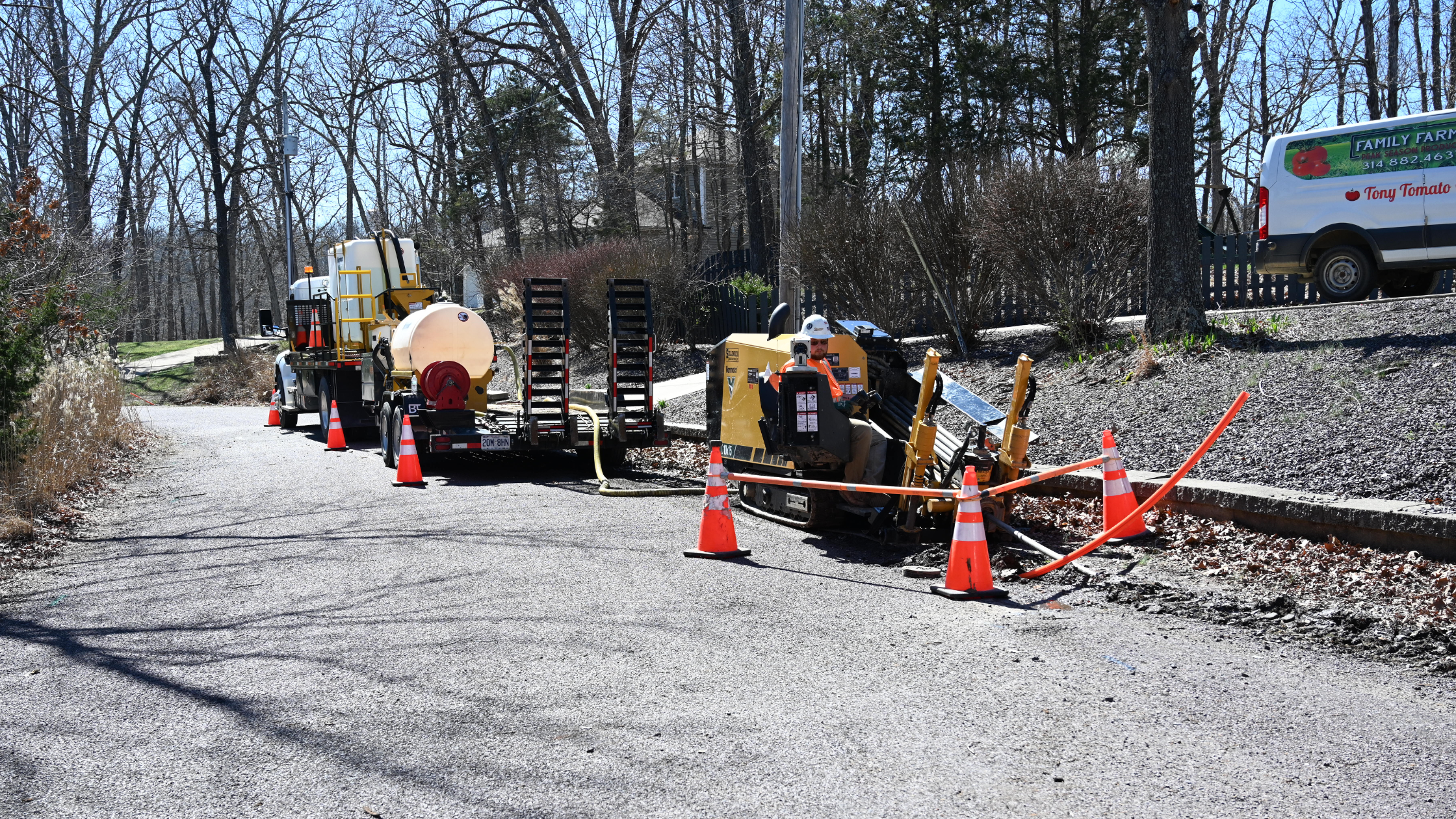
A rural broadband route may involve long distances, access challenges, and logistical planning around equipment, materials, and crew movement. A municipal route may involve traffic control, public visibility, restoration expectations, existing utility congestion, and coordination with city or utility stakeholders. An industrial area may include critical process systems, pipelines, private utilities, or restricted access. A neighborhood build may require careful attention to property impacts, driveways, landscaping, sidewalks, and resident communication.
Each environment creates a different set of risks.
Applying a one-size-fits-all construction approach can lead to avoidable problems, including utility conflicts, property concerns, delays, restoration issues, and frustration for the client or community. Even when the installation method is similar, the field conditions surrounding the work may require a different plan.
Utility conflict construction is not only about what crews do when they find an issue. It is also about how well the project is prepared before that moment happens.
Strong planning considers the route, the known utilities, the public environment, access limitations, traffic exposure, restoration expectations, and the type of communication needed if field conditions change. When a contractor understands those variables, they are better positioned to make informed decisions instead of forcing the same approach onto every project.
How Vac Services Support Safer Field Decisions
When the ground is already occupied, visibility matters.
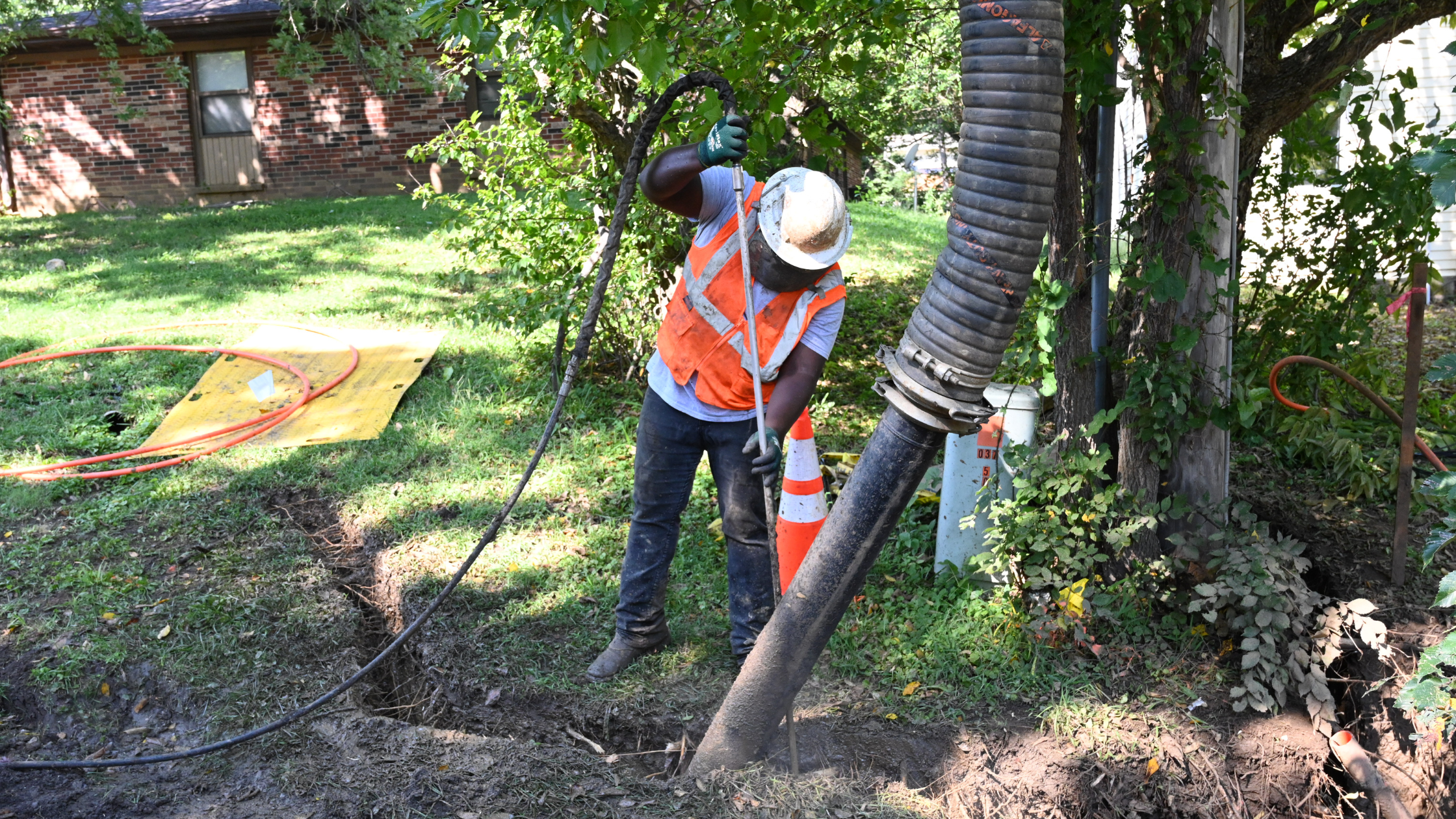
Hydro excavation and vac trucks help crews expose underground utilities with greater precision than traditional excavation methods. Instead of relying on guesswork, vac services can support safer decision-making by helping crews verify what is underground before construction continues.
For broadband projects, vac services may support:
- Daylighting existing utilities before boring
- Verifying utility depth and location
- Supporting bore path planning
- Exposing crossings
- Reducing risk around known conflict areas
- Cleaning or exposing critical infrastructure in active work zones
This is especially valuable when fiber routes cross or run near existing infrastructure. A locate may indicate that a utility is present, but hydro excavation can help confirm conditions in the field. That verification gives crews better information before making decisions around boring or route adjustments.
Sellenriek provides hydro excavation and vac truck services for utility, industrial, municipal, and infrastructure projects where safety, accuracy, and production matter. For broadband construction, that capability helps connect planning with field execution. It gives crews a safer, more precise way to work around existing utilities while supporting the pace and complexity of active jobsites.
Vac services for utility projects are not just a support function after a problem is found. They can be part of a proactive construction approach that helps identify risk areas, verify conditions, and keep work moving with better information.
Why Communication Matters in Utility-Dense Areas
In utility-dense environments, construction decisions rarely affect only one crew.
A conflict in the field may require input from project leadership, the client team, utility owners, municipal representatives, engineering partners, or other stakeholders. The faster the right information reaches the right people, the easier it becomes to prevent confusion and keep the project moving responsibly.
That is why communication cannot be treated as something that only happens during a project kickoff.
On active broadband jobsites, communication is a daily field practice. Crews need to know what risks have been identified. Project leaders need timely updates when conditions change. Client teams need visibility into issues that may affect schedule, access, safety, or restoration. Municipal and utility stakeholders may need coordination when work is happening near public infrastructure or existing systems.
Clear communication helps reduce assumptions. It also creates a better path for solving problems when underground conflicts are found.
When a contractor communicates issues early, clients are not left guessing about what happened or why a decision was made. Instead, the project team can evaluate the situation, determine the safest next step, and document important information when needed.
In congested underground environments, that level of communication is part of reliable execution.
What Clients Should Expect From Their Contractor
Broadband construction around existing utilities requires more than equipment and labor. Clients should expect their contractor to bring a disciplined approach to planning, safety, communication, and field problem-solving.
A qualified contractor should be able to demonstrate:
A Clear Understanding of Risk Areas
Before work begins, the contractor should understand where the project may involve utility congestion, public exposure, traffic, access limitations, or restoration concerns. Not every issue can be predicted, but known risk areas should be discussed early and managed intentionally.
A Safety-First Approach
Fiber construction safety should be visible in how crews plan, communicate, expose utilities, operate equipment, and respond to changing field conditions. Safety is not separate from production. It is part of how the work is completed correctly.
Equipment Readiness
The right equipment needs to be ready for the conditions of the job. That may include vac trucks, excavation equipment, boring equipment, support vehicles, and other tools required to work safely and efficiently around existing utilities.
Willingness to Communicate Issues Early
No client wants to be surprised late in a project by an issue that could have been communicated sooner. Contractors working in utility-dense areas should be willing to raise concerns, explain field conditions, and involve the right people before small issues become larger problems.
Field-Informed Problem Solving
Plans are important, but broadband construction still happens in real field conditions. Contractors need the experience and flexibility to adjust when maps, records, or assumptions do not fully match what crews encounter underground.
Documentation Where Appropriate
In areas with utility conflicts, crossings, or sensitive infrastructure, documentation can help support accountability, project visibility, and future decision-making. This may include notes, photos, verification records, or other field information, depending on the project and client needs.
Broadband Construction Requires More Than Installation
Reliable broadband construction is not just about installing fiber. It is about understanding the environment where that fiber is being placed.
When the ground is already full, every decision matters. Existing utilities, public infrastructure, traffic, access, restoration, and field conditions all shape the way work needs to be planned and completed. The best contractors bring more than installation capability. They bring awareness, communication, safety, adaptability, and the right support services to help reduce risk before and during construction.
For broadband projects that involve existing utilities, congested corridors, or active public environments, Sellenriek Construction brings the experience, vac services, and safety-first approach needed to support safer, more reliable execution.
To learn more, explore our Broadband Construction Services and Vac Services, or contact our team to discuss your next project.
Why is broadband construction more difficult around existing utilities?
Broadband construction becomes more difficult around existing utilities because crews must work near buried electric, gas, water, sewer, telecom, and other infrastructure. These conditions require more planning, verification, communication, and safety awareness than construction in open or less congested areas.
How do vac services help reduce risk during fiber construction?
Vac services help reduce risk by using hydro excavation and vac trucks to expose underground utilities with greater precision. This can support daylighting, utility verification, safer crossings, bore path planning, and field decisions in areas where existing utilities are present.
What should contractors do when underground utility conflicts are found?
When underground utility conflicts are found, contractors should stop and evaluate the situation, communicate the issue to the appropriate project leaders or stakeholders, verify field conditions, and determine the safest next step. Clear communication and field-informed problem-solving are critical.
What is hydro excavation?
Hydro excavation is a non-destructive excavation method that uses pressurized water to break up soil and a vacuum system to remove material. It is often used to safely expose underground utilities or work around sensitive infrastructure.
What is daylighting in utility construction?
Daylighting is the process of exposing underground utilities so crews can visually confirm their location, depth, and condition. It is commonly used before boring or construction activity near existing utilities.
Why are utility locates not always enough before excavation?
Utility locates are important, but they may not eliminate every risk. Records can be incomplete, field conditions can differ from maps, and older or undocumented infrastructure may still be present. Additional verification, such as hydro excavation, can help crews make safer field decisions.